The foundation for a lasting result
Dyeing leather is not just about painting on a new color – it's also a meticulous process where the leather's surface is prepared, treated, and sealed. Clean the surface thoroughly before applying the dye so that it penetrates best and doesn't flake off.
- Clean the leather thoroughly – use a mild cleaner that removes dirt, grease, and previous surface treatments.
- Prepare the surface – lightly sand or use a preparatory liquid that opens the pores of the leather.
- Apply the dye – use a sponge, brush, or spray gun. Thin coats give the most professional result.
- Finish with a topcoat – a protective finish creates shine and helps protect the leather's material surface against moisture and wear.
When working with PU leather or vinyl, it is important to use leather dye adapted for these types of materials. Vinyl/imitation leather often has a laminated PU plastic surface, which differentiates it from genuine leather and requires products that adhere extra well to this substrate. We offer several excellent options for imitation leather & vinyl, primarily dyes from Angelus and Viper.
Which leather dye should you choose?
At Läderspecialisten, you'll find leather dyes in various shades and types, so you can choose the one that best suits your needs.
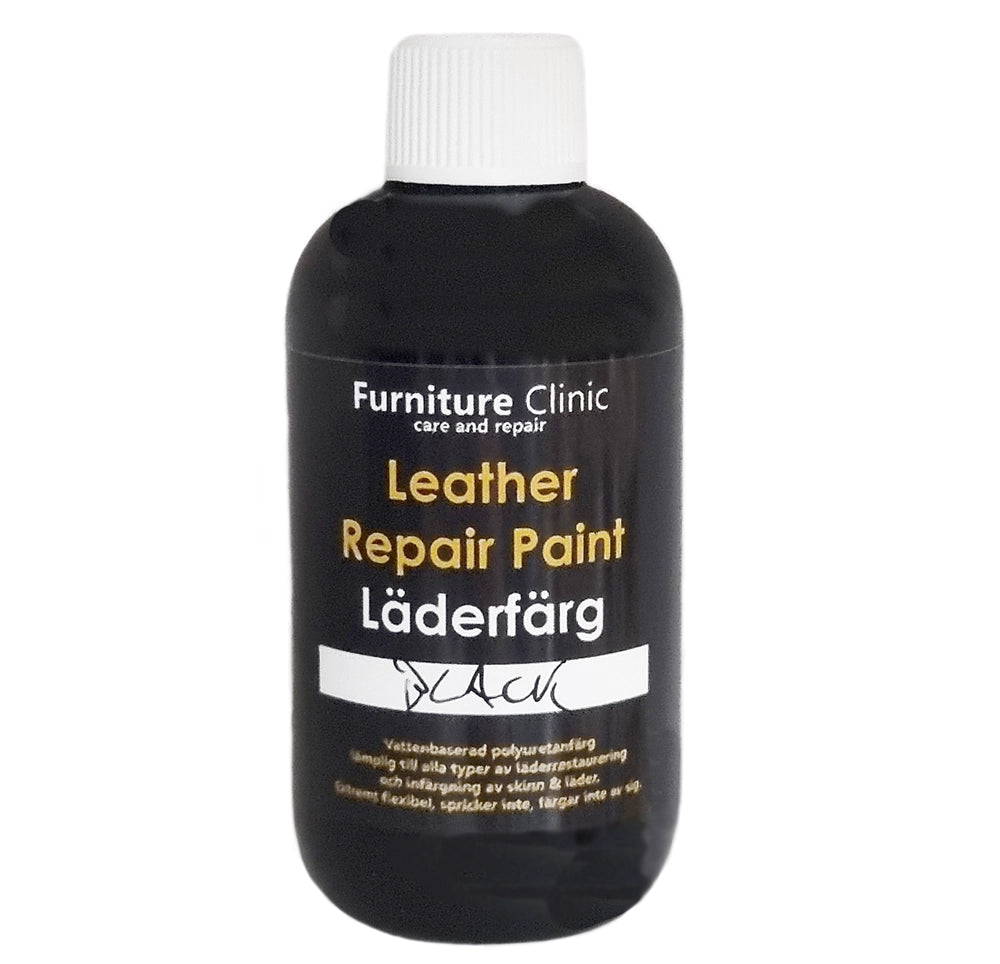
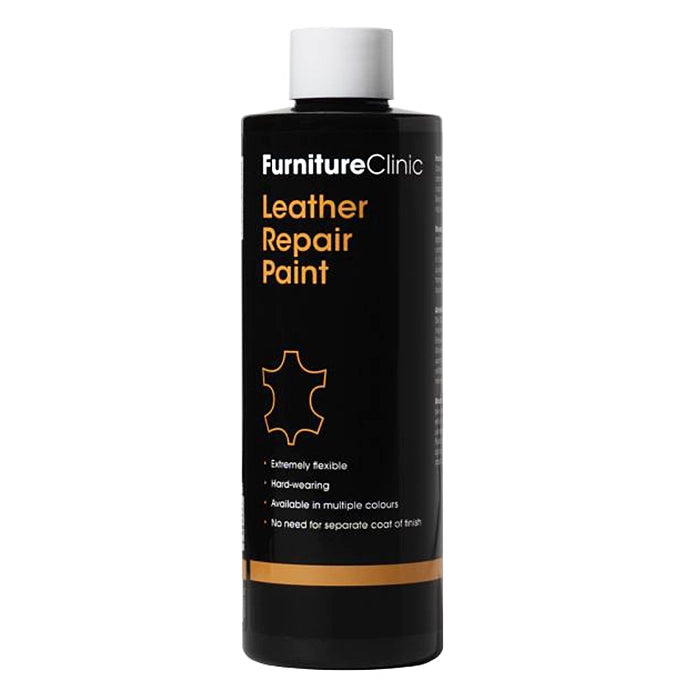
- Leather Dye Repair Paint from Furniture Clinic– This leather dye provides good coverage and works on all types of leather except suede and nubuck.
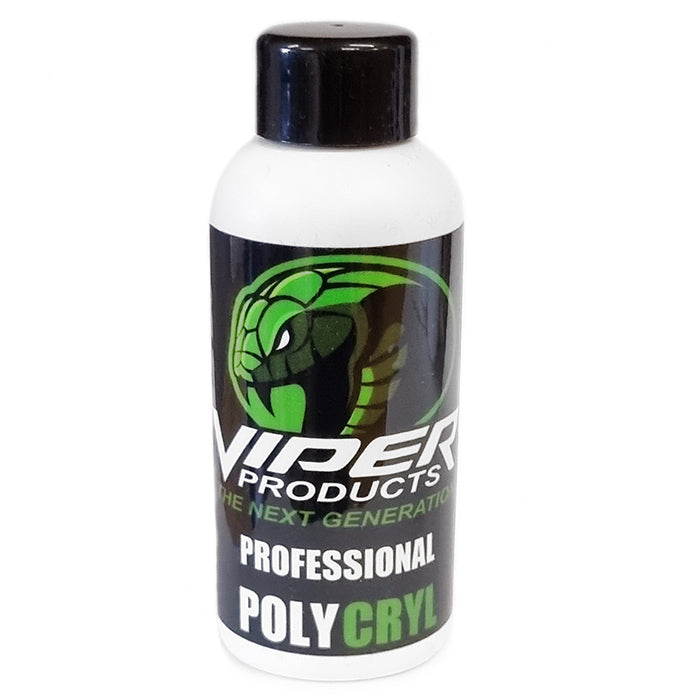
- Leather Dye Polycryl from Viper– Adheres very well to leather, but also to PU leather/Bycast leather, imitation leather, and vinyl, making it a good option if you want to dye, for example, boat cushions or car upholstery made of vinyl.
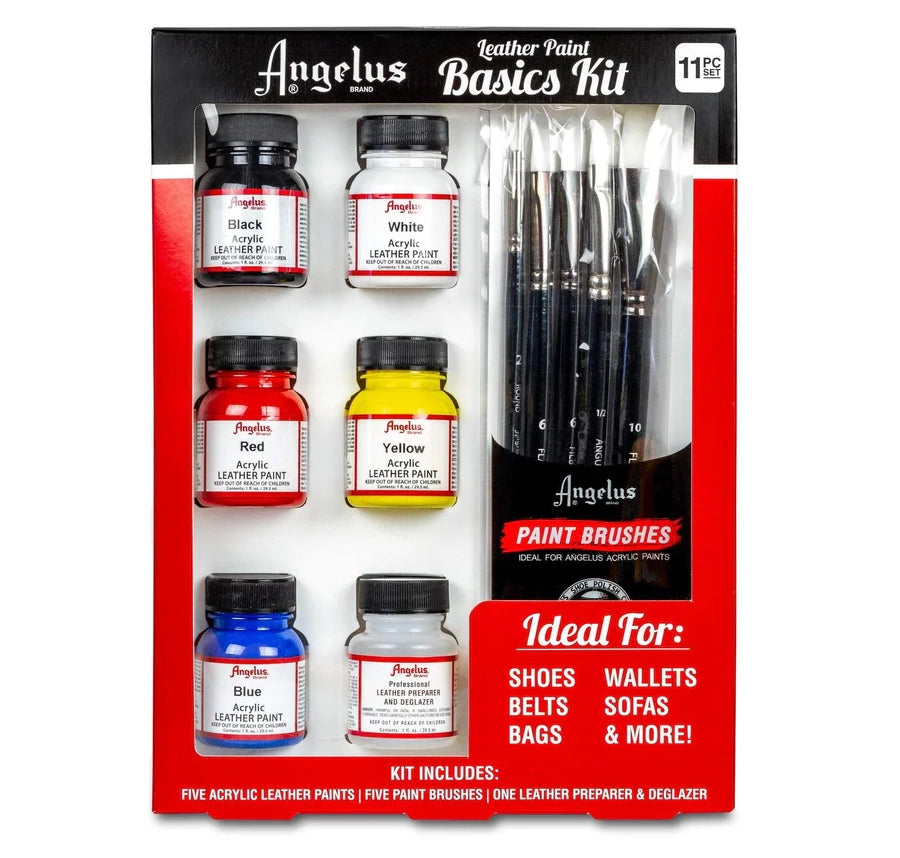
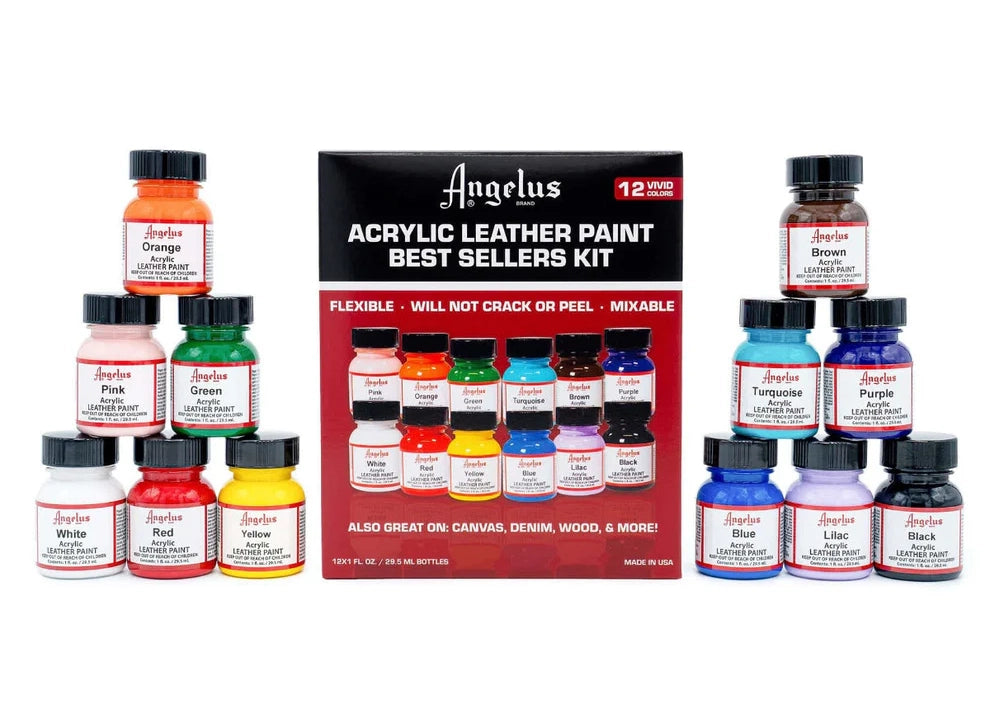
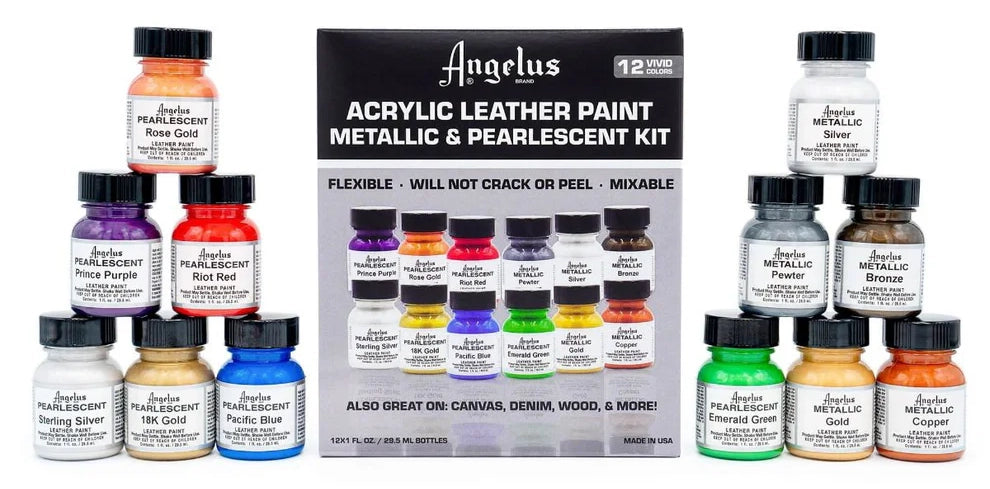
- Angelus Acrylic Leather Paint –Adheres to both leather and vinyl/imitation leather. Very popular for smaller hobby projects, such as dyeing sneakers.
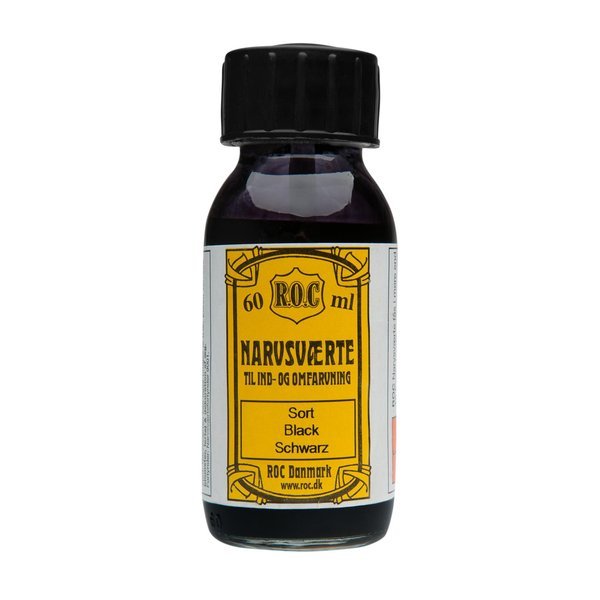
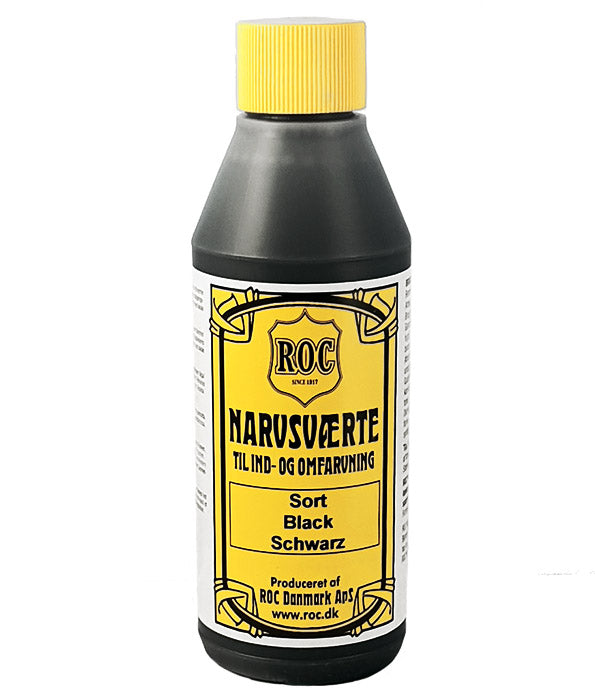
- Roc Narvsvärta (Grain Black)- Spirit-based leather dye used for through-dyeing untreated leather. Please note that the underlying color of the leather plays a role in the final result.
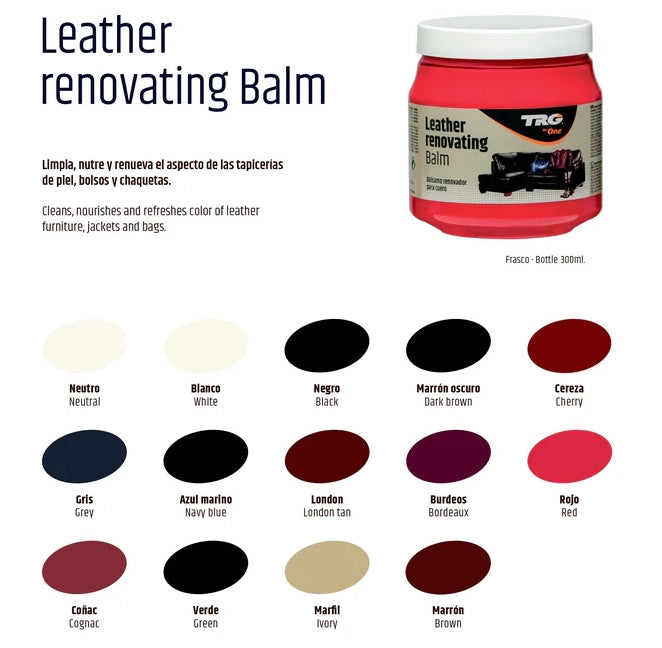
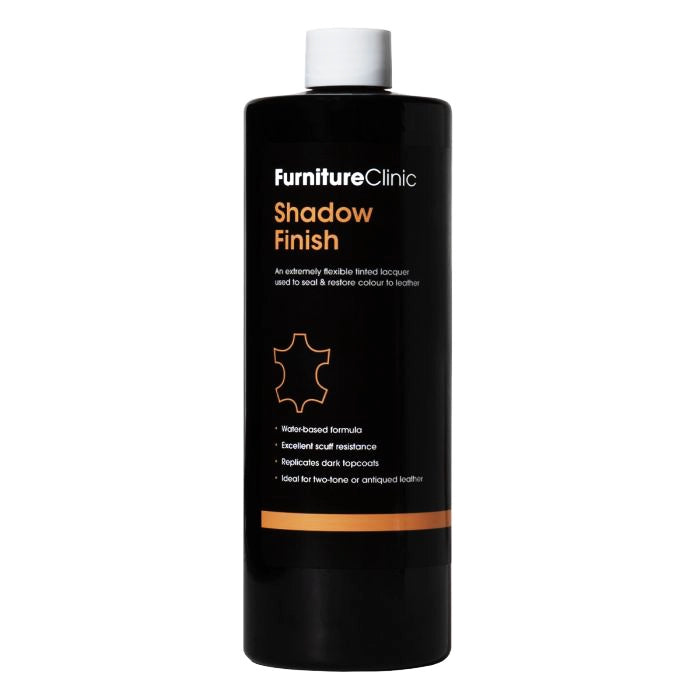
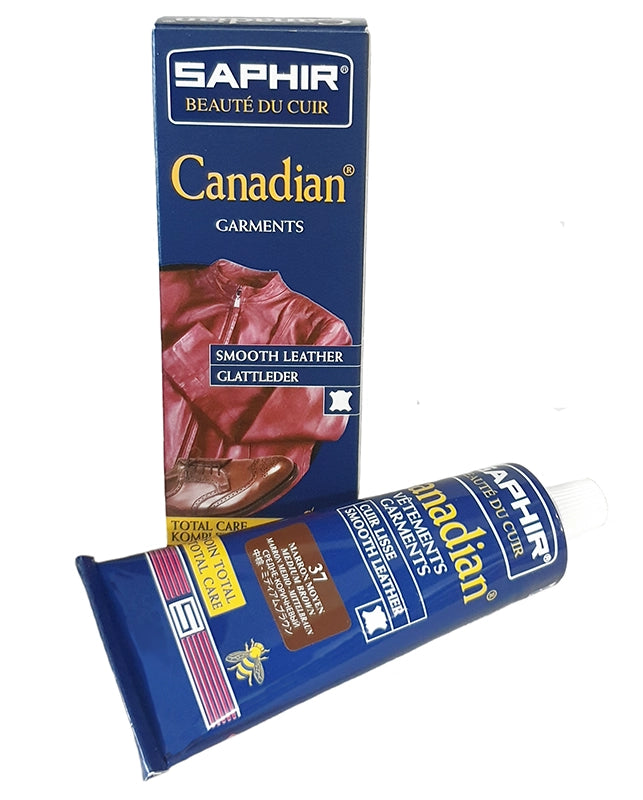
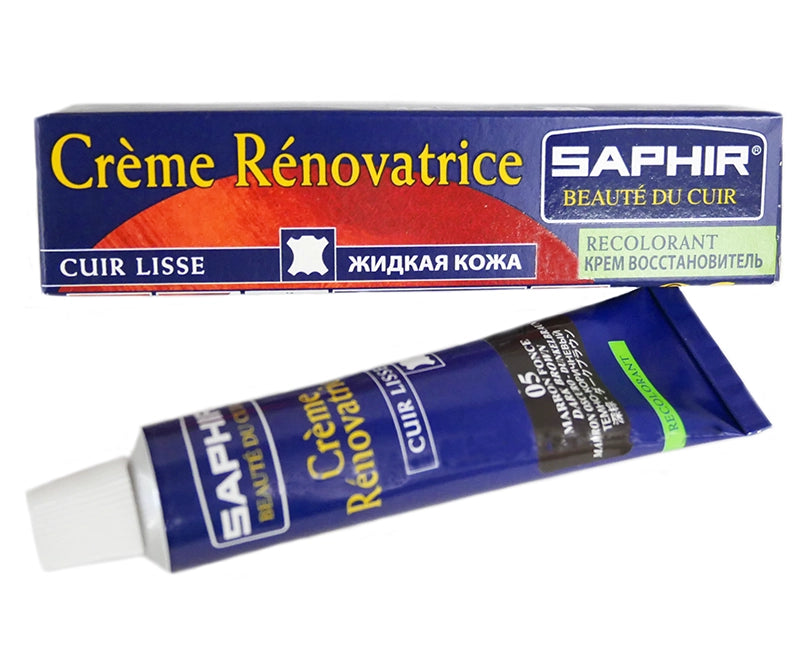
- Pigmented/Colored Leather Balm- Not a pure leather dye, but a softening leather balm whose color pigments enhance the underlying color. Best used to restore sun-faded aniline leather to its original shade.
How to dye leather – step by step
Dyeing leather requires a little precision, but the process is easy once you know how. Here are our tips for a professional result:
- Clean thoroughly – remove dirt and oils from the surface.
- Prepare the leather with leather prep.
- Apply thin layers of leather dye – several thin coats cover better than one thick one.
- Allow the dye to dry between each coat – this provides an even final result.
- Finish by sealing the leather with a finish/top coat – protect the leather by applying a finish that provides shine and durability.
Tip:Always test on a small area before starting the entire project. This way, you can see how the dye performs on your specific leather.
Leather dye for shoes – refresh and renew
With leather dye, you can repaint worn shoes, cover scratches, and dye them in new shades. Some of our leather dyes also adhere to PU leather, which is a common material for sneakers.
You can use black leather dye to restore classic men's shoes or try blue or white leather dye for a more personal expression. After dyeing, it is always recommended to apply a finish to protect the surface and the leather's structure.
Läderspecialisten offers leather dye that performs excellently on both soles and uppers. They are used by both professionals and hobbyists to achieve professional results.
Leather dye for car upholstery
Are you looking to re-dye leather upholstery in your car? We have a large selection of special shades of leather dye and vinyl dye for car upholstery, and we have also put together dyeing kits in various sizes.
Choose the size of the dyeing kit based on the size of the project, e.g., a small kit for dyeing one car seat, or a large dyeing kit for dyeing both front seats and the back seat.
Leather dye for car upholstery has its own category in our webshop; you can find it here:
https://laderspecialisten.se/collections/infargningskit-for-bilkladslar
PU leather and vinyl – how to dye imitation leather
Dyeing PU leather or vinyl requires special products, as these materials do not absorb dye in the same way as genuine leather. Our specially developed leather dyes for PU leather provide even coverage, adhere firmly, and protect the surface against wear.
- Clean thoroughly with a prep adapted for synthetic materials.
- Apply thin layers of leather dye with a sponge or spray gun.
- Allow the dye to dry between each layer.
- Finish with a topcoat to protect the leather.
For PU leather, imitation leather, and vinyl, Angelus Acrylic Leather Paint and Viper Polycryl are recommended – these work excellently on PU leather and imitation leather.
How much leather dye do you need?
The amount of leather dye you need depends on the surface to be painted and how many layers you plan to apply.
- A pair of shoes typically requires 50–100 ml.
- A leather bag about 100 ml.
- A car seat approx. 250 ml.
- An armchair or small sofa from 250 - 500 ml.
Tip:It's always better to have a little more leather dye than too little – you can use the leftovers for future repairs or new projects.
Finish, protection, and durability
Once the dye has dried, it's important to protect the leather with the right finish. It creates a durable surface layer and provides the desired shine, while also preventing the dye from wearing off.
We offer finish products in different degrees of gloss – matte, satin, and glossy – so you can choose the type that best suits your style. Satin gloss is neutral, in between matte and glossy, and is the most common finish gloss for leather. A good finish acts as both a seal and a protective layer, which makes the leather last longer.
Let your creativity flow – create unique leather products
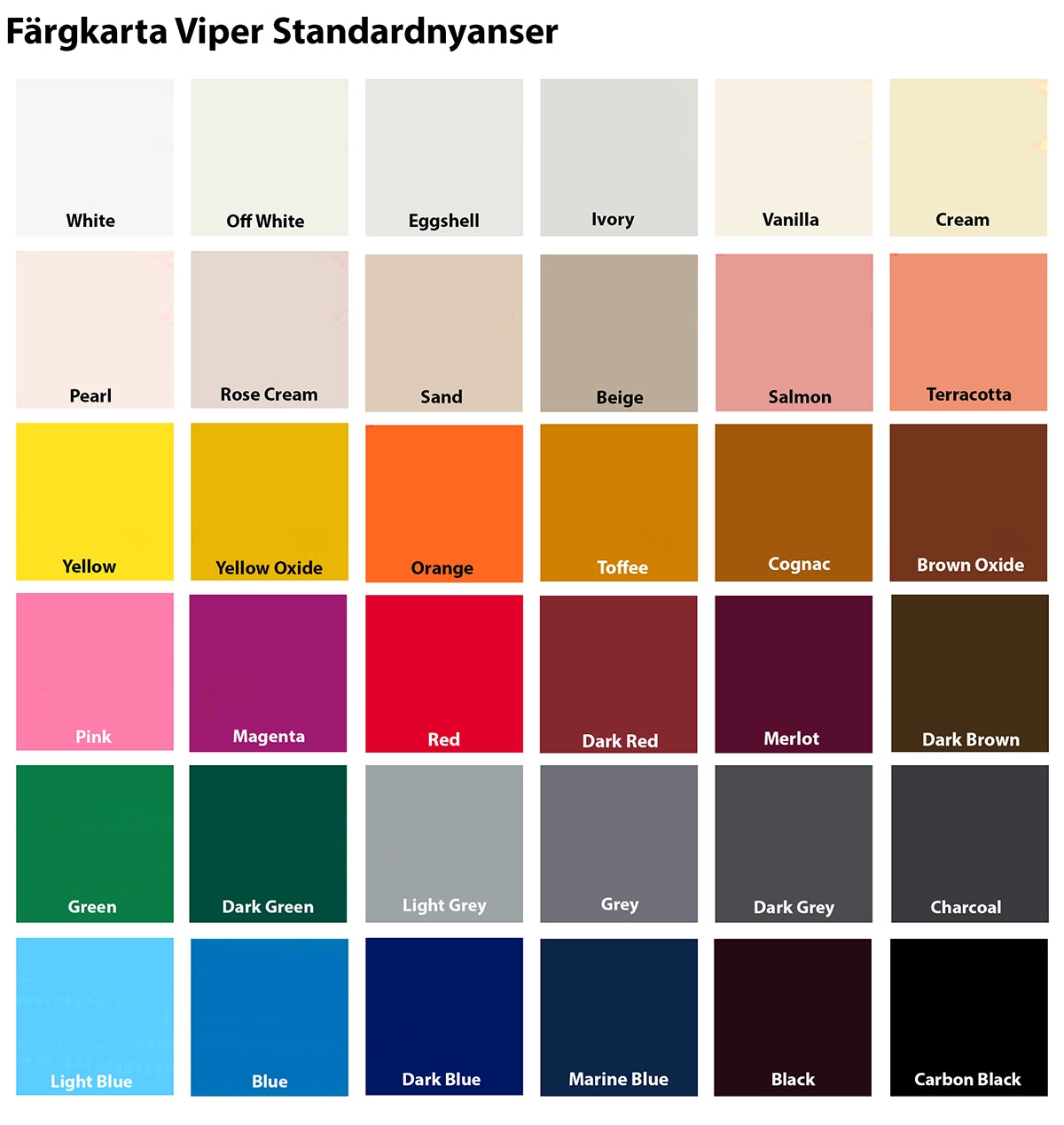
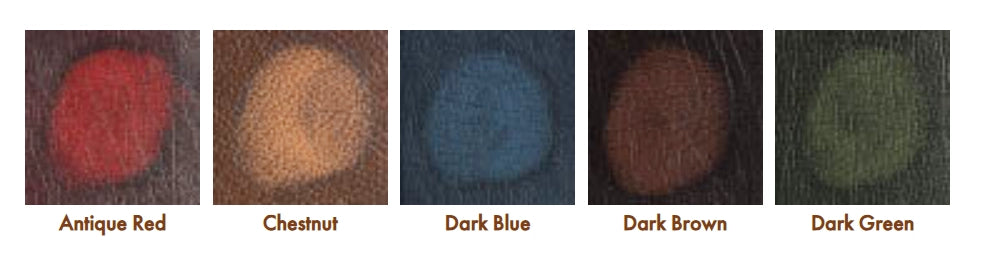
We offer leather dye in many different colors and shades, from classic black and white to light cream colors, and several brown, red, blue, and green shades.
With leather dye, you can express your style, create new combinations, and make old leather products like new again. Let the dye dry thoroughly and experiment with different shades to create transitions, patterns, or details.
Läderspecialisten also offers guides and tips that show you how to dye leather in the most effective way. We have products for both beginners and experienced users who want to achieve a professional result.
Here you can find our guides, tips, and advice:
https://laderspecialisten.se/blogs/news
Frequently Asked Questions about Leather Dye
Can leather dye be used on all types of leather?
It depends on which dye you use. Dyes from Angelus and Viper work on genuine leather, PU leather, vinyl, and imitation leather. Dye from Furniture Clinic, Repair Paint, is only for genuine leather and should notbe used on imitation leather and vinyl.
How long does the dye last?
If you follow the instructions and clean and "prep" the leather thoroughly before dyeing, so that the leather dye gets a good grip, seal the dye with a finish or topcoat, and then clean regularly (dirt breaks down leather) and treat with a softening protective cream, the dyeing can last for many years.
Can I use leather dye on shoes?
Absolutely – for example, Angelus leather dye works well on both leather shoes and sneakers made of imitation leather. Angelus dye also adheres to certain types of soles (though less well on rubber). It is important to do a thorough cleaning/prep before applying new dye. Residues of old treatments and shoe polish will make the leather dye adhere less well.
Do I need any special equipment?
All of the leather dyes we have in our assortment can be applied with a sponge and/or brush, but it is also possible to use an airbrush if you have access to one. Our dyeing kits always include a sponge.
Buy leather dye at Läderspecialisten
AtLäderspecialisten.seyou will find leather dye, grain black, finish, and other products for dyeing, coloring, and repairing leather products. Our leather dyes are used both professionally and by hobbyists who want the best results every time.
Whether you want to repaint shoes, dye furniture, or protect the leather on your car upholstery, everything you need is here. Our articles and tips will help you get the best out of your projects – easily, safely, and with excellent quality.